
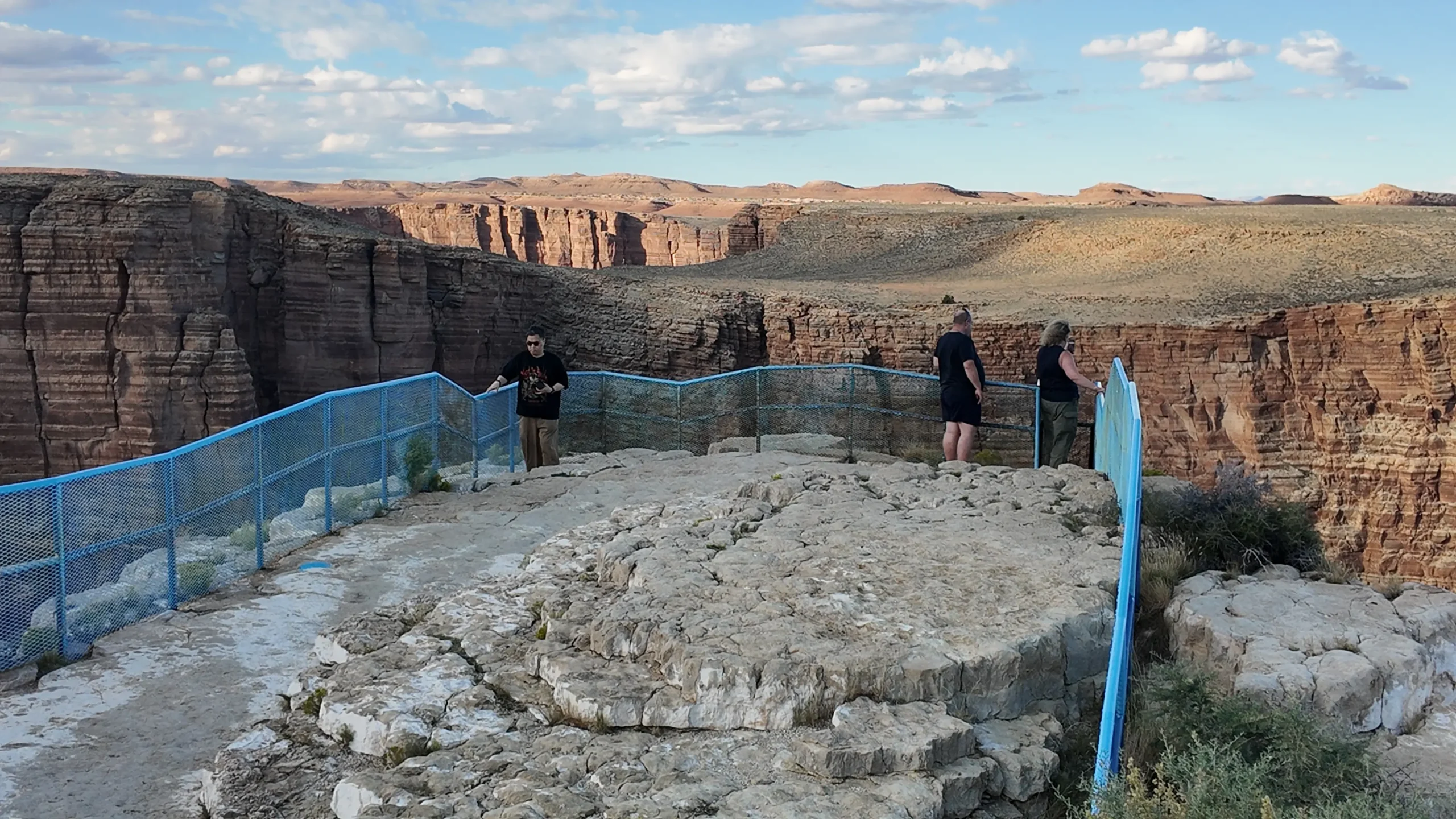
The Little Colorado River, often overshadowed by its larger counterpart, the Colorado River, is an important waterway with rich historical, cultural, and ecological significance. Running through the rugged landscapes of the American Southwest, it offers a glimpse into the region’s unique geology and history. In this article, we’ll dive deep into the Little Colorado River’s origin, its ecological importance, and how it plays a vital role in the surrounding ecosystem. We’ll also explore some of the challenges it faces due to human activities and climate change.
Origins and Course of the Little Colorado River
The Little Colorado River, a tributary of the Colorado River, is located in the southwestern United States. It flows through the states of Arizona and Utah, winding its way through some of the most breathtaking landscapes in the country. The river begins in the highlands of northeastern Arizona and travels for approximately 315 miles before emptying into the Colorado River. Its path takes it through the famous Grand Canyon, where it meets the Colorado River.
Unlike the Colorado River, which is well-known for its colossal size and the Grand Canyon, the Little Colorado River is relatively smaller but no less stunning. Its waters are often a striking shade of blue, tinted by the minerals it carries through the desert terrain. The river has carved out spectacular features, including the Little Colorado River Gorge and numerous canyons, adding to the natural beauty of the area.
The Role of the Little Colorado River in Ecosystem Health
While the Little Colorado River is not as large as the Colorado River, it still plays an essential role in maintaining the ecosystem of the region. The river provides critical water resources to the flora and fauna of the surrounding desert. Its water nourishes a variety of plant species, including willows, cottonwoods, and tamarisk, which line the banks of the river. These plants create important riparian habitats that offer shelter and food for wildlife.
The Little Colorado River is also home to a variety of aquatic life. Fish species such as the native Little Colorado River sucker and the speckled dace thrive in its waters. Additionally, the river supports numerous species of amphibians, reptiles, and birds, all of which rely on the river’s ecosystem for survival. The river’s seasonal flow also influences the migration patterns of certain bird species, making it an essential stop for migratory birds in the region.
Cultural Significance of the Little Colorado River
For centuries, the Little Colorado River has held significant cultural and spiritual value to Native American tribes in the region. Indigenous people, including the Hopi, Zuni, and Navajo tribes, have historically depended on the river for agriculture, water, and spiritual practices. These tribes continue to hold the river in high regard, using its waters for ceremonial purposes and respecting it as a sacred part of their heritage.
The Little Colorado River also has an important place in the stories and traditions passed down through generations of Native American communities. Many myths and legends are tied to the river and its surroundings, and these cultural narratives often emphasize the connection between the people and the land. The river serves as both a life source and a symbol of resilience and endurance in the face of a harsh desert environment.
The Impact of Human Activity on the Little Colorado River
Like many rivers around the world, the Little Colorado River has faced significant challenges due to human activities. Over the years, increased water diversion for agricultural use, urban development, and the extraction of water for municipal purposes have all put pressure on the river’s flow. In particular, water diversion from the Little Colorado River for irrigation in the surrounding area has reduced its natural flow, threatening the wildlife and ecosystems that depend on the river’s waters.
Additionally, climate change is exacerbating these challenges. With rising temperatures and changing precipitation patterns, the Little Colorado River has seen a decrease in water levels and quality. This poses a threat not only to the river’s natural habitats but also to the communities that rely on it for their water supply.
Conservation Efforts and Future of the Little Colorado River
Efforts to conserve the Little Colorado River and restore its natural flow have been ongoing, though challenges remain. Environmental organizations, Native American tribes, and governmental bodies have worked together to implement conservation strategies that aim to protect the river’s water quality and natural habitats.
In particular, the Grand Canyon Trust has been instrumental in advocating for the protection of the Little Colorado River. They have worked to raise awareness about the river’s significance and have been involved in initiatives to prevent further water diversion and preserve the natural environment. Additionally, the Hopi Tribe has been involved in efforts to ensure that the Little Colorado River remains a vital part of their cultural and spiritual practices.
Despite these efforts, the future of the Little Colorado River remains uncertain. As the region continues to face challenges related to water scarcity and climate change, the balance between human demands and environmental conservation will be key to ensuring the river’s long-term health.
Conclusion
The Little Colorado River, though often overlooked, is a vital waterway with immense ecological, cultural, and historical significance. From its role in supporting wildlife and plant species to its deep connection with Native American tribes, the river is an integral part of the American Southwest. However, it faces considerable threats from human activities and climate change, which jeopardize its delicate ecosystem.
Conservation efforts aimed at preserving the Little Colorado River’s flow and protecting its surrounding habitats are essential for the future of the region. By raising awareness and supporting initiatives to safeguard this remarkable river, we can ensure that it continues to sustain both the environment and the cultures that have long depended on it.
Frequently Asked Questions about the Little Colorado River
1. Where does the Little Colorado River begin?
The Little Colorado River begins in the highlands of northeastern Arizona. It flows through the state, eventually joining the Colorado River near the Grand Canyon.
2. What is the significance of the Little Colorado River to Native American tribes?
The Little Colorado River is considered sacred by several Native American tribes, including the Hopi, Zuni, and Navajo. It has been a source of water, food, and spiritual connection for these tribes for centuries.
3. What types of wildlife depend on the Little Colorado River?
The river supports various species, including the Little Colorado River sucker, speckled dace, and several amphibians, reptiles, and bird species. The riparian habitats along the river also sustain numerous plant species.
4. How has human activity affected the Little Colorado River?
Human activities, such as water diversion for agriculture and urban development, have reduced the natural flow of the river. Additionally, climate change has led to decreased water levels and water quality, threatening the river’s ecosystem.
5. What conservation efforts are in place to protect the Little Colorado River?
Environmental organizations, such as the Grand Canyon Trust, and Native American tribes have been working together to protect the Little Colorado River. Efforts include raising awareness, preventing water diversion, and preserving the river’s natural habitats.