
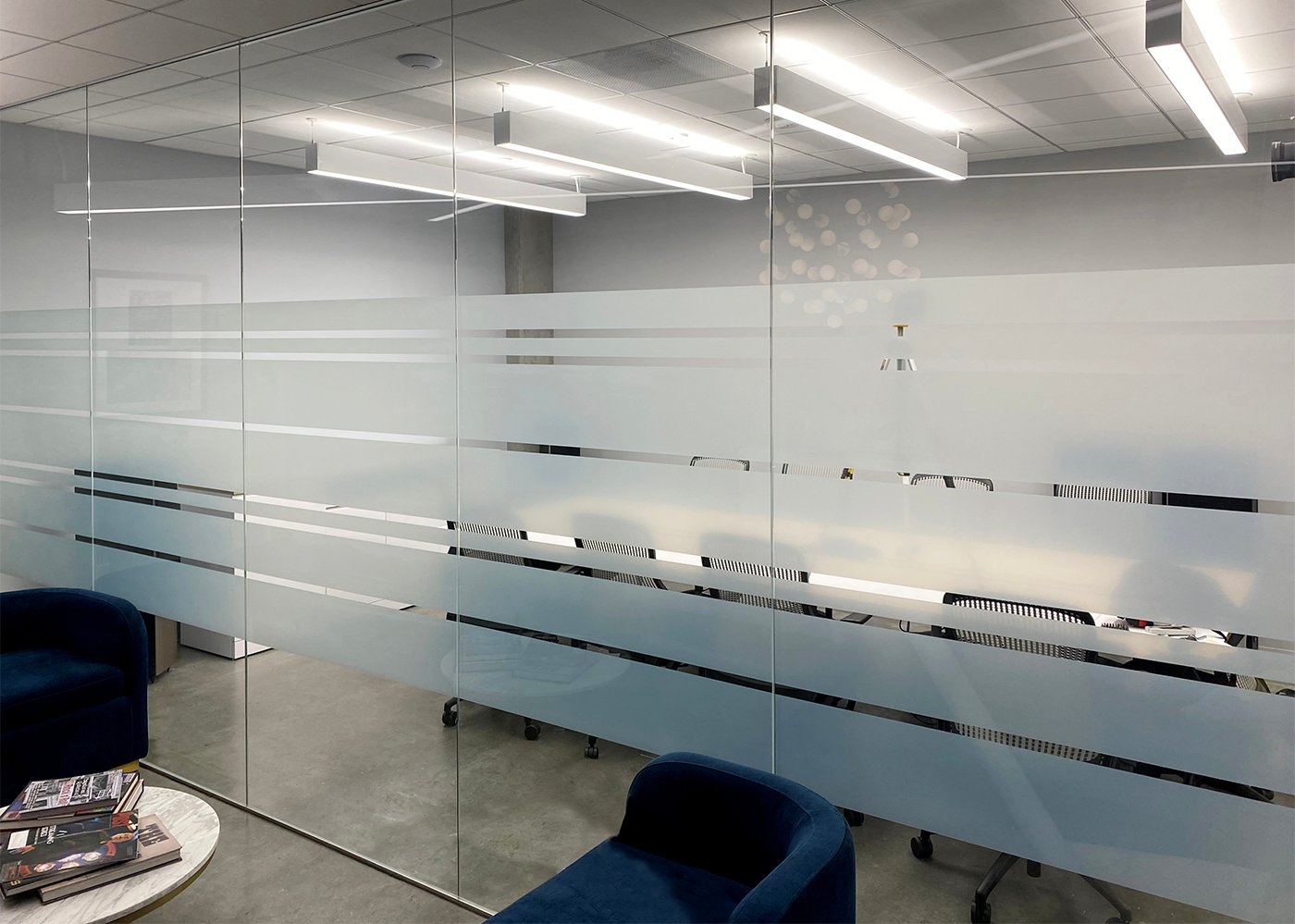
The appearance of glass defines the overall aesthetics and design, but functionality and privacy are equally important. While the design of glass is usually considered from the very beginning, privacy and functionality are often addressed later in the process. Window films, in particular self adhesive frosted film, allow you to modify the appearance of glass, improve its functionality and significantly enhance privacy.
Solaris979 offers universal solutions based on frosted film for glass
https://www.window-film-solaris.co.uk/
for offices, flats and country houses. We provide real photos and a wide range of frosted film in various colours to suit different interior styles.
In this guide, you will find everything you need to know about frosted film, its advantages, the installation process, and how it can transform your space.
What is Frosted Film for Glass?
Frosted film is a decorative and functional film that is applied to glass surfaces to create a frosted, opaque effect. It is made from materials like vinyl and polyester, which can be printed or etched with various designs. Unlike frosted glass, which involves a more permanent change to the glass surface, frosted film offers the flexibility of easy installation and removal, making it a popular choice for residential and commercial spaces.
This film mimics the look of etched or sandblasted glass, creating a blurred effect that allows light to pass through while obscuring visibility. It is available in a wide range of designs and finishes, from a smooth, frosted look to more elaborate patterns and textures.
Benefits of Using Frosted Film for Glass
Frosted film offers numerous advantages that make it a practical and attractive option for homeowners and businesses alike. Below are some of the key benefits:
1. Privacy Enhancement
One of the primary reasons people choose frosted film is to improve privacy. It’s an ideal solution for areas where you want to block the view from the outside without sacrificing natural light. It’s perfect for bathroom windows, office partitions, or even living room windows that face the street. Frosted film prevents prying eyes from seeing inside, allowing you to enjoy your space without worrying about privacy.
2. Light Diffusion
Frosted films are great for diffusing light. Unlike curtains or blinds that can block out light, frosted film allows sunlight to filter through while reducing glare. This can create a softer, more inviting atmosphere inside your home or office, making it a popular choice for spaces that need a gentle light touch, such as kitchens, bathrooms, or conference rooms.
3. Aesthetic Appeal
Frosted film can completely transform the look of your glass surfaces, giving them a sleek and modern appearance. It’s an affordable way to enhance the overall design of your space, especially if you’re on a budget. The film can be applied to windows, glass doors, shower enclosures, and even glass partitions to give a sophisticated touch to any area.
4. Easy Installation and Removal
Unlike etched or frosted glass, which requires professional treatment, frosted film can be easily installed without the need for specialized equipment. Most films come with an adhesive backing that allows for a smooth, bubble-free application. Additionally, frosted film can be removed without damaging the glass, making it a temporary or semi-permanent option for renters or those who like to change their décor frequently.
5. Energy Efficiency
Frosted film can also help with energy efficiency by blocking out UV rays that contribute to heat gain in the summer and heat loss in the winter. This can help regulate the temperature inside your space, reducing the need for air conditioning in the summer and heating in the winter. By reducing the strain on your HVAC system, frosted film can lower energy costs.
6. Low Maintenance
Frosted films are incredibly easy to maintain. Unlike curtains or blinds, which require regular washing or dusting, frosted film only needs to be cleaned occasionally with a soft cloth and mild soap. This makes it a low-maintenance option for those who want a hassle-free window treatment solution.
7. Durability
High-quality frosted film is built to last. It is designed to withstand everyday wear and tear, such as scratches and fading. With proper care, frosted film can maintain its appearance for years, providing long-term value for your space.
Applications of Frosted Film
Frosted film has a variety of uses in both residential and commercial settings. Here are some of the most common applications:
1. Home Use
- Bathrooms: Frosted film is commonly used in bathrooms to provide privacy for shower doors and windows. It prevents outsiders from peeking in while still allowing natural light to enter, which is especially important in small or windowless bathrooms.
- Living Rooms & Bedrooms: If you have large windows facing the street, frosted film can add privacy while allowing you to enjoy sunlight without sacrificing your personal space. It can also add a touch of elegance to the room, transforming ordinary glass into a stylish feature.
- Glass Doors & Windows: Frosted film is perfect for glass doors and windows, particularly for homes with a modern or minimalist design. It can make spaces like home offices, sunrooms, or entryways look polished and sophisticated.
2. Commercial Use
- Offices: Frosted film is widely used in office spaces to create partitioned rooms or private workspaces. It helps maintain an open, airy feel while providing employees with the privacy they need. Additionally, frosted film with company logos or branding can add a professional touch to the workplace.
- Retail Stores: In retail environments, frosted film is used on windows to prevent customers from looking inside, which can increase security and reduce distractions. It can also be used to display store branding and promotional messages.
- Hospitals & Clinics: In medical environments, privacy is crucial, especially in areas like waiting rooms, examination rooms, and patient bathrooms. Frosted film can be used to ensure privacy while still allowing staff to monitor the space visually.
Types of Frosted Film
There are various types of frosted film available to suit different needs and preferences. Here are the most common ones:
1. Opaque Frosted Film
This is the most basic type of frosted film, providing a smooth, uniform frosted appearance that obscures visibility. It’s great for areas where privacy is essential, such as bathrooms or conference rooms.
2. Textured Frosted Film
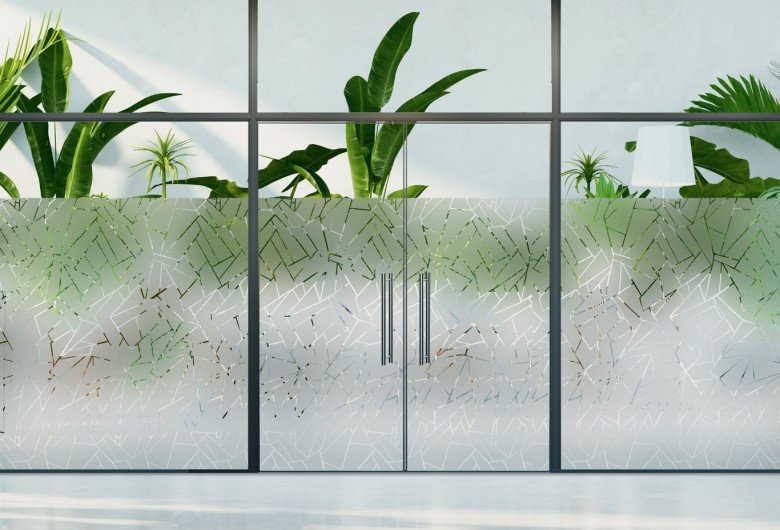
Textured frosted film features patterns or textures, such as waves, geometric shapes, or floral designs. It offers the same privacy benefits as opaque film but with added visual interest. This type of film is ideal for spaces that require both functionality and design, such as retail stores or upscale restaurants.
3. Decorative Frosted Film
For those looking for a more unique look, decorative frosted films come with custom designs, logos, or motifs. These films can be tailored to your specific aesthetic, whether for personal or business purposes. It’s a great option for branding and adding a personal touch to your space.
Installation Process of Frosted Film
Installing frosted film is a simple process that can be done by most people, even without professional help. Here’s a step-by-step guide to installing frosted film on your glass surfaces:
- Clean the Glass: Start by thoroughly cleaning the glass surface to remove dirt, dust, and grease. Use a glass cleaner and a microfiber cloth for best results.
- Measure and Cut the Film: Measure the dimensions of the glass to determine the size of the film you need. Cut the film to size, leaving a little extra around the edges to allow for trimming after installation.
- Peel and Stick: Peel the backing off the frosted film, exposing the adhesive side. Carefully position the film onto the glass, making sure it’s aligned properly.
- Smooth Out the Air Bubbles: Use a squeegee or a flat tool to smooth out any air bubbles and ensure the film adheres firmly to the glass.
- Trim the Edges: Once the film is in place, use a sharp blade to trim the excess film from the edges, ensuring a neat and clean finish.
- Final Touches: Wipe down the surface to remove any excess adhesive or water, and allow the film to settle for a few hours before using the glass.
Conclusion
Frosted film for glass is an incredibly versatile and cost-effective solution for enhancing privacy, light diffusion, and aesthetics. Whether you’re looking to improve the look of your home or office, frosted film can transform your space in an instant. Its easy installation, affordability, and wide range of benefits make it a top choice for anyone looking to update their glass surfaces without the hassle and expense of traditional methods.