
Renting a dumpster is not something most homeowners do often, which is why the process can feel unfamiliar at first. Whether the project involves a home cleanout, renovation, landscaping overhaul, or repair work, having the right waste solution in place can make the entire experience smoother. Understanding how dumpster rentals work, what decisions matter most, and where problems commonly arise helps homeowners avoid delays, extra costs, and unnecessary stress.
Before scheduling a dumpster, it is worth taking time to understand a few practical considerations that directly affect how well the rental supports your project.
Understanding the Type of Project You Are Tackling
The first step in renting a dumpster is being clear about the scope of your project. Different types of projects generate very different kinds of waste. A garage cleanout produces bulky but relatively light items, while a bathroom renovation creates heavier debris such as tile, drywall, and fixtures.
Knowing whether your project involves demolition, cleanup, landscaping, or a mix of tasks helps determine the right container size and service approach. Underestimating the nature of the debris is one of the most common reasons homeowners run into issues during a rental.
Choosing the Right Dumpster Size
Dumpster size selection is one of the most important decisions homeowners make. Containers that are too small fill quickly and may require additional service, while oversized dumpsters can take up unnecessary space and feel overwhelming for smaller projects.
Instead of guessing, homeowners should think about both volume and material type. Heavy materials reach weight limits faster, even if the container does not appear full. Lighter materials take up more space but are less likely to cause weight-related issues.
When in doubt, it is often easier to slightly oversize rather than underestimate, especially for renovation or demolition projects.
Knowing Where the Dumpster Can Be Placed
Placement affects convenience, safety, and compliance. Many homeowners assume dumpsters can be placed anywhere, but that is not always the case. Driveways are the most common placement location, but street placement may require local permits.
Before delivery, homeowners should consider:
- Whether the driveway can support the weight of a loaded dumpster
- Clearance for delivery trucks
- Access for vehicles and foot traffic
- Local rules related to sidewalk or street placement
Planning placement in advance helps avoid last-minute adjustments or relocation costs.
Understanding What Can and Cannot Go in the Dumpster
Not all materials are accepted in standard dumpster rentals. Certain items require special handling due to environmental or disposal regulations. Placing restricted items in a dumpster can result in additional charges or service delays.
While rules vary by location, common restricted items often include:
- Hazardous materials such as chemicals or solvents
- Certain electronics
- Tires and batteries
- Appliances containing refrigerants
Homeowners should clarify acceptable materials upfront to avoid surprises during pickup.
Planning the Rental Timeline
Dumpster rentals are typically scheduled for a specific rental period. Homeowners sometimes underestimate how long their project will take, especially if work is being done on evenings or weekends.
It is important to plan for realistic timelines rather than ideal ones. Allowing a small buffer reduces pressure and prevents rushed cleanup at the end of the project. Extending a rental is usually possible, but planning ahead keeps things simpler.
Managing Weight Limits and Fill Practices
Weight limits are an important but often misunderstood aspect of dumpster rentals. Overloading a container with dense materials can trigger overage charges even if the dumpster is not visually full.
To manage weight effectively:
- Distribute heavy materials evenly
- Avoid piling dense debris in one area
- Break down bulky items when possible
These practices help keep disposal predictable and reduce the risk of additional fees.
Maintaining Safe and Organized Use
A dumpster should support cleanup, not create new hazards. Homeowners should keep the area around the container clear and avoid stacking debris outside the dumpster once it starts to fill.
Consistent use helps maintain an organized site and prevents clutter from spreading across the property. This is especially important for projects in residential neighborhoods where appearance and access matter.
Avoiding Multiple Disposal Trips
One of the main benefits of renting a dumpster is avoiding repeated trips to disposal facilities. Homeowners who plan well can dispose of waste incrementally as the project progresses rather than accumulating piles that must be handled later.
Having a dedicated disposal solution onsite keeps cleanup manageable and reduces the time spent loading vehicles and traveling offsite.
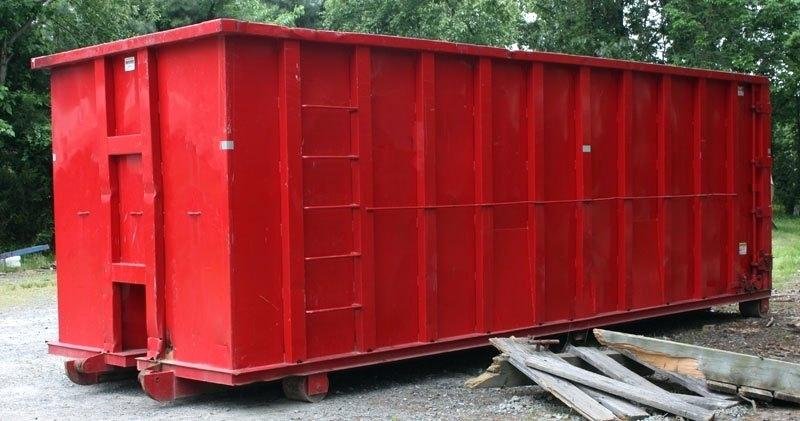
Budgeting for the Rental
Dumpster rentals are typically priced as a flat service, but additional costs can arise from extended rental periods, overages, or prohibited items. Understanding what is included helps homeowners budget accurately.
Clear communication about project scope and debris type reduces the likelihood of unexpected charges and keeps the rental aligned with actual needs.
Working With Residential-Focused Providers
Residential projects have different needs than commercial construction. Homeowners benefit from working with providers experienced in residential service who understand space limitations, neighborhood considerations, and short-term project timelines.
Many homeowners turn to options like a home dumpster rental through Waste Removal USA to ensure the service is suited to residential projects rather than scaled for large commercial sites.
Preparing for Delivery Day
On delivery day, homeowners should ensure the placement area is clear and accessible. Removing vehicles, marking placement boundaries, and communicating any access restrictions helps ensure smooth delivery.
Taking a few minutes to prepare can prevent delays and reduce the risk of damage to driveways or surrounding surfaces.
Renting a dumpster can significantly simplify home projects when it is approached with the right expectations. By understanding project scope, choosing an appropriate size, planning placement, and managing timelines and materials, homeowners can avoid common frustrations.
A well-planned dumpster rental supports cleaner work areas, reduces disposal trips, and keeps projects moving forward without unnecessary disruption. For homeowners tackling renovations, cleanouts, or repairs, taking time to plan waste removal upfront leads to a more organized and predictable project experience from start to finish.
toto togelsitus toto slottoto togellink togelsitus slotjacktotototo togel jacktotojacktotojacktotojacktotojacktotojacktotojacktotositus slot gacorsitus togeljacktotolink slotjacktotojacktotojacktotolink slotlink slot onlinelink slot gacortogel onlinetoto togeljacktotolink slotjacktotositus gacorjacktotositus totojacktotoslot gacortoto togeltoto slottoto slottoto togellink slotsitus totojacktotositus togeljacktotojacktotositus gacorjacktotojacktotositus gacorjacktotositus totolink slotjacktotositus totototo togelslot resmisitus togeljacktotototo togelsitus totositus gacorslot onlinelink gacorslot gacorsitus toto togeljacktototogel resmijacktotojacktotojacktotositus toto togelsitus totototo togelsitus toto togeljacktotositus gacortoto slotslot gacorlink slotlink slottoto togelsitus togelsitus togellink slotjacktotolink slotjacktototogel terpercayatoto slotsitus togelsitus toto togelsitus totototo togeltoto togeljacktotositus slotjacktotoslot gacorjacktotositus totojacktotoslot gacorslot onlinejacktotoslot online