

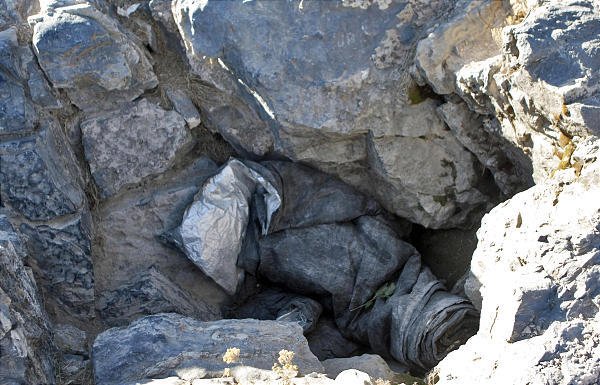
Few underground sites capture the imagination like the Nutty Putty Cave—a once-popular spelunking destination in Utah known for its twisting corridors, clay-lined passages, and infamous tight squeezes. Mentioning the Nutty Putty Cave today instantly evokes a mix of fascination, respect, and caution. For some, it’s a symbol of adventure; for others, a solemn reminder of nature’s power and human vulnerability.
Long before its tragic closure, the Nutty Putty Cave was a favorite training ground for cavers and scouts alike. Its unique geological formations and narrow entryways made it both exhilarating and challenging. But after a series of accidents—culminating in the heartbreaking 2009 incident—the cave was sealed permanently.
In this in-depth article, we explore the full history, structure, and legacy of the Nutty Putty Cave, including what happened, why it matters, and how it shaped modern caving protocols. If you’re searching for authoritative, well-organized information about this cave, you’re in the right place.
The History and Geology of the Nutty Putty Cave
The Nutty Putty Cave sits on the west side of Utah Lake and is part of the Wasatch geological formation. The cave is primarily composed of hydrothermal limestone, giving it smooth, clay-like surfaces—a defining feature that inspired its quirky name.
The clay that lines the passages has a texture similar to children’s putty, soft and malleable when touched, especially in humid conditions. This created a memorable tactile experience, but it also encouraged narrowing and shifting within certain sections.
For decades, outdoor enthusiasts traveled to the area specifically to explore the Nutty Putty Cave because it provided real caving challenges without requiring expert-level mountaineering gear. As the keyword the Nutty Putty Cave grew in popularity among Utah residents, so did its reputation as a must-visit spelunking site.
Early Exploration and the Cave’s Growing Popularity
The cave was discovered in 1960 by Dale Green, a well-known figure in Utah’s caving community. Word spread quickly that the site had unique qualities:
- Dozens of crawl spaces
- A complex underground design
- Clay that made surfaces slippery but fun to maneuver
- Natural formations like the “Birth Canal,” “Abyss,” and “Scout Eater”
These features attracted families, Boy Scout troops, and university clubs. For many visitors, the Nutty Putty Cave was a rite of passage—a place where they could test their courage in a controlled yet challenging environment.
Cavers mapped the system extensively, noting its approximate 1,400 feet of tunnels. Despite its modest size compared to massive cave systems elsewhere, enthusiasts considered the Nutty Putty Cave a local treasure.
Understanding the Cave’s Tight Passages
Any discussion of the Nutty Putty Cave is incomplete without acknowledging the cave’s extraordinarily tight corridors. Claustrophobes beware: many sections required crawling on hands and knees, while others forced cavers to slide on their stomachs.
Some of the most famous—or infamous—sections included:
The Birth Canal
A narrow chute notorious for its tightness. Many first-time visitors found this feature thrilling because it required calm breathing and steady maneuvering.
The Big Slide
A sloping passage that led deeper into the cave. While fun, it was slick due to the clay coating.
The Scout Eater
A passage so tight it earned its intimidating nickname. It wasn’t dangerous per se, but inexperienced cavers often underestimated its restrictive size.
Navigating these areas successfully required training and situational awareness. Unfortunately, not everyone who entered the Nutty Putty Cave was prepared for its complexity.
The 2006 Incidents That Changed Everything
The first major turning point in the cave’s history occurred in 2006. Two separate rescues took place in a short amount of time involving individuals who became stuck in the narrow passages. While both rescues were ultimately successful, they caused local authorities to reevaluate cave management and public access.
During this time, caving organizations and county officials began discussing ways to improve safety. Temporary closures were enacted, and a registration system was proposed. But the growing interest in the Nutty Putty Cave continued, and thousands of visitors entered every year.
Despite warnings and updated guidelines, the cave’s design remained inherently risky for inexperienced explorers.
The 2009 Tragedy That Sealed the Nutty Putty Cave Forever
On November 24, 2009, tragedy struck at the Nutty Putty Cave. John Jones, a 26-year-old medical student and experienced caver, entered the cave with family members during the Thanksgiving holiday. At one point, he descended into what he believed was the Birth Canal but had mistakenly entered a different, narrower chute.
The passage was so tight that he became wedged upside down, trapped at an angle that made breathing difficult. Despite a massive rescue effort lasting over 27 hours and involving dozens of specialists, rescuers were unable to free him.
John Jones passed away before he could be removed from the cave. His body remains sealed inside the Nutty Putty Cave today.
The tragedy made national headlines and served as a devastating reminder of how dangerous tight cave systems can be. For many, it forever changed the meaning of the Nutty Putty Cave, turning it from an adventurous playground into a solemn memorial.
Why the Nutty Putty Cave Was Permanently Closed
Following the 2009 incident, officials quickly concluded that the risks outweighed the benefits of reopening the site. The cave was permanently sealed with concrete, preventing future access and preserving the area as a memorial for John Jones.
Factors influencing the closure included:
- The complexity of its passages
- A history of previous rescue incidents
- The difficulty of safely evacuating trapped explorers
- The emotional significance of the site
Many in the outdoor community supported the closure, recognizing that no recreational activity was worth repeating such a tragedy.
Safety Lessons Learned from the Nutty Putty Cave
The story of the Nutty Putty Cave transformed how caving groups approach safety. Key lessons included:
1. Proper Training Is Essential
Novices should avoid caves known for tight, complex structures unless accompanied by experts.
2. Maps Must Be Studied Carefully
Misidentifying a passage can lead to severe consequences, especially in low-visibility environments.
3. Communication Saves Lives
Groups should maintain constant verbal contact and use reliable lighting tools.
4. Emergency Plans Are Non-Negotiable
Even short trips require clear contingency plans.
Modern Caving Practices Inspired by the Nutty Putty Case
Today, organizations like the National Speleological Society and regional caving clubs emphasize:
- Pre-registration systems for popular caves
- Limited entry permits
- Updated training programs
- Advanced rescue protocols
- Improved signage and structural maps
The tragedy of the Nutty Putty Cave has been widely studied in rescue courses and outdoor safety workshops. Many instructors cite the case as an example of how unpredictable caves can be, even for experienced explorers
Can the Nutty Putty Cave Ever Reopen?
While some enthusiasts have wondered whether the cave could reopen as a supervised educational site, officials have made it clear that reopening is not an option.
Reasons include:
- Structural instability
- Ethical concerns regarding John Jones’ resting place
- Ongoing safety issues
- The cost and risk of modifying the cave
Thus, the Nutty Putty Cave remains sealed, serving as a protected site and a reminder of the importance of caution and respect when exploring nature’s hidden worlds.
Conclusion: The Legacy of the Nutty Putty Cave
The story of the Nutty Putty Cave is one of adventure, discovery, and profound tragedy. While the cave’s natural beauty and geological uniqueness made it a beloved destination for decades, its narrow passages ultimately proved too dangerous.
Today, the Nutty Putty Cave stands as a symbol—one that urges explorers to approach nature with humility. Its legacy continues to influence modern caving safety, ensuring that future adventurers are better prepared than those who came before.
Whether you’re learning about the cave for research, curiosity, or personal interest, the lessons it leaves behind are clear: preparation is vital, respect for nature is mandatory, and no thrill is worth more than a human life.
FAQ About the Nutty Putty Cave
1. Where is the Nutty Putty Cave located?
The Nutty Putty Cave is located near Utah Lake in Utah County, on the western side of the state’s central valley.
2. Why is the Nutty Putty Cave sealed?
It was permanently closed in 2009 after a fatal accident involving caver John Jones. Safety concerns made reopening impossible.
3. Can you visit the Nutty Putty Cave today?
No. The site is sealed with concrete and is considered a protected memorial.
4. What made the Nutty Putty Cave dangerous?
Its extremely tight passages, clay-like surfaces, and complex tunnel structure posed significant risks, especially to inexperienced explorers.
5. Will the Nutty Putty Cave ever reopen?
Authorities have stated that it will remain permanently closed due to safety, ethical, and logistical concerns.