


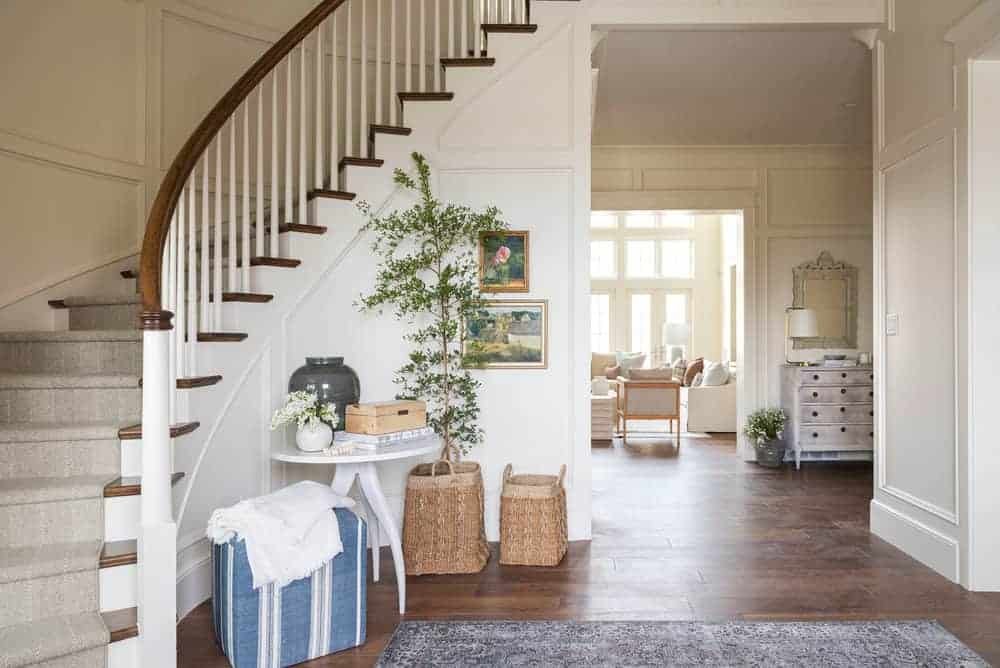
When you hear the phrase Sherwin Williams Swiss Coffee, what comes to mind? Soft, creamy whites? A mellow backdrop for accents? In this post, we’ll explore everything you need to know about this timeless color—how it behaves in different rooms, how to pair it, and how to use it effectively throughout your home.
Using Sherwin Williams Swiss Coffee can give your home that warm, inviting “just-off-white” look—clean, comfortable, and full of personality. Let’s dive into the details
Sherwin Williams Swiss Coffee is often described as a soft, warm off-white that strikes the perfect balance between brightness and coziness. While Sherwin Williams doesn’t list an exact “Swiss Coffee” in its main catalog, several of its paints resemble the iconic tone—off-whites with a hint of cream and beige warmth.
Designers and homeowners love this kind of white because it feels organic, timeless, and versatile. It’s not cold or sterile like some pure whites, yet it’s still clean enough to feel modern. Think of it as a color that makes your home glow gently instead of glaringly.
Color Properties & Technical Specs
Understanding the basic characteristics of Sherwin Williams Swiss Coffee (and paints in this family) helps you make smart design decisions.
- Color Family: Off-white / Warm white
- Tone: Creamy, soft, slightly beige
- Light Reflectance Value (LRV): Around 80–82 — meaning it reflects plenty of light but isn’t blindingly white
- Finish Options: Available in flat, eggshell, satin, semi-gloss, and gloss finishes depending on the surface and preference
- Best Qualities: Cozy, versatile, easy to pair with both warm and cool décor
This balance of light reflectivity and warmth makes Sherwin Williams Swiss Coffee ideal for homeowners who want a neutral that feels lived-in, not lifeless.
Undertones, Light Behavior & How It Shifts
One of the key reasons this color is so popular is its complex undertone structure.
Undertones
- Primarily warm with subtle yellow and beige bases
- Can appear slightly creamy or buttery under incandescent lighting
- May read more neutral in daylight
These undertones give Swiss Coffee its signature warmth. Unlike stark whites that can feel harsh, Swiss Coffee’s creamy foundation softens walls and creates an inviting atmosphere.
Light Behavior
- Natural Light: In bright daylight, Swiss Coffee looks airy and open.
- Artificial Light: Under warm bulbs, it becomes cozy and enveloping.
- North-Facing Rooms: The paint’s warmth balances cool light, preventing rooms from looking bluish or cold.
- South-Facing Rooms: Appears lighter and slightly creamier, enhancing the sun’s natural glow.
In short, Sherwin Williams Swiss Coffee adapts beautifully to almost any lighting condition—another reason it’s a favorite for designers and homeowners alike.
Best Rooms & Applications
Where does Sherwin Williams Swiss Coffee truly shine? Pretty much anywhere, but here are some standout uses.
1. Living Rooms
Swiss Coffee provides a soft neutral background that complements any design style—from modern farmhouse to minimalist to traditional. It reflects light beautifully, making living spaces appear larger, cozier, and more inviting.
2. Kitchens
In kitchens, it pairs effortlessly with marble, quartz, or butcher-block countertops. Whether used on walls or cabinetry, Swiss Coffee adds an understated elegance that never goes out of style.
3. Bedrooms
Because it’s a warm off-white, it sets a serene, calming tone perfect for rest and relaxation. Pair it with soft linens, warm wood tones, and muted décor for a soothing effect.
4. Bathrooms
Bathrooms painted in Swiss Coffee feel clean but not stark. The slight warmth complements both modern chrome fixtures and rustic brass or black finishes.
5. Trim & Ceilings
Using Swiss Coffee for trim and ceilings—either in the same color but a different sheen or in a slightly lighter tint—creates harmony and flow from wall to wall.
Paint Pairings and Accent Colors
Sherwin Williams Swiss Coffee plays well with many tones. Its neutral warmth makes it easy to pair with colors that either contrast or complement.
Top Pairing Suggestions
- Warm Neutrals: Beige, taupe, greige
- Earthy Greens: Sage, olive, muted moss
- Soft Blues: Dusty blue, slate, steel blue
- Dark Contrasts: Charcoal gray, espresso, or navy
- Wood Accents: Honey oak, walnut, or cherry finishes
Design Tip:
If you prefer a minimalist look, pair Swiss Coffee with similar whites for a tone-on-tone palette. For bolder décor, contrast it with darker accent walls or richly textured materials.
Differences vs Other Whites
It’s easy to confuse Sherwin Williams Swiss Coffee with other popular white paints, but subtle differences can completely change the mood of a room.
| Color | Undertone | Feel | Best Use |
|---|---|---|---|
| Pure White | Neutral / cool | Crisp, bright | Modern, clean designs |
| Alabaster | Warm, creamy | Soft and cozy | Transitional or rustic spaces |
| Snowbound | Slightly cool gray | Sleek, balanced | Contemporary spaces |
| Swiss Coffee | Warm beige undertone | Inviting, soft | Traditional to modern spaces |
If you find bright whites too stark or cool whites too cold, Swiss Coffee offers the perfect middle ground.
Tips for Painting with Swiss Coffee
To achieve professional results, follow these expert tips:
- Test first. Paint large swatches on multiple walls to see how the color reacts to light throughout the day.
- Choose the right sheen. Eggshell for walls, satin for trim, semi-gloss for cabinets.
- Prime properly. A neutral or light primer ensures color accuracy and better coverage.
- Use quality tools. Smooth rollers and angled brushes create an even finish.
- Apply two coats. This helps the undertones develop fully and eliminates patchiness.
- Mind the lighting. Adjust bulb temperature—warm bulbs enhance its richness, while cool bulbs can neutralize it.
Sampling & Testing Strategies
Lighting and surrounding materials drastically influence paint perception. Before committing:
- Paint large test squares on different walls.
- View them in daylight, evening, and artificial light.
- Compare with adjacent room colors.
- Consider your flooring tone—light woods may cool the color, while dark floors enhance its warmth.
- Try different sheens—matte can appear deeper; satin can appear lighter.
A simple paint sample can save you from repainting an entire room later.
Common Mistakes to Avoid
- Skipping samples – Never trust the store swatch alone.
- Mixing undertones – Avoid pairing warm whites like Swiss Coffee with icy grays or cool whites.
- Overly glossy finishes – Can exaggerate wall imperfections.
- Ignoring light direction – The same paint looks different on north vs. south walls.
- Clashing décor – Warm paint works best with other warm-toned furniture and lighting.
FAQ About Sherwin Williams Swiss Coffee
Q1: Is Sherwin Williams Swiss Coffee too yellow?
No. It has warm undertones but stays balanced. If your room receives a lot of natural light, it may look more neutral than creamy.
Q2: Can I use Swiss Coffee for trim and walls together?
Yes, absolutely! Use a satin or semi-gloss finish for trim to create subtle contrast.
Q3: How does Sherwin Williams Swiss Coffee compare to Alabaster?
Swiss Coffee is slightly creamier and warmer, while Alabaster leans softer and a bit more neutral.
Q4: Does Swiss Coffee work in small rooms?
Yes. Its high reflectivity helps smaller spaces feel open and airy while maintaining warmth.
Q5: What colors pair best with Swiss Coffee cabinets?
Try warm grays, greige walls, brass hardware, and natural wood accents for an elegant, cohesive look.
Conclusion & Call to Action
Sherwin Williams Swiss Coffee is a timeless color that embodies warmth, comfort, and sophistication. It works in virtually every room and lighting condition, offering a soft, welcoming glow without sacrificing brightness.
Whether you’re refreshing your walls, updating cabinetry, or creating a whole-home palette, this creamy off-white delivers both elegance and versatility. Test it in your space, pair it thoughtfully, and watch your rooms come alive with understated charm.
