

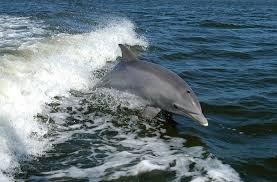
Dolphins are widely admired for their intelligence, but one of their most extraordinary abilities is what many people call dolphin radar. This term refers to echolocation, a biological sonar system dolphins use to navigate, communicate, hunt, and understand their surroundings with astonishing precision.
In simple terms, dolphin radar allows these marine mammals to “see” with sound. While humans rely on sight, dolphins rely on acoustic information that travels rapidly and clearly underwater. This advanced natural sonar has fascinated researchers, inspired new technologies, and sparked efforts to protect dolphins from threats that disrupt their sound-based world.
Understanding dolphin radar is not just about biology—it’s about appreciating how nature has engineered one of the most advanced sensory systems on Earth.
How Dolphin Radar (Echolocation) Works
Dolphins’ ability to use sound for navigation is based on echolocation, a process involving sound production, echo interpretation, and neural processing.
1. Sound Emission
Dolphins create rapid clicks inside their nasal passages. These clicks are sent outward through the melon—a fatty, rounded organ on their forehead that acts like an acoustic lens.
2. Echo Reception
When the sound waves hit an object—fish, coral, boats—they bounce back. Dolphins receive these echoes through their lower jawbone, which contains specialized fat that transmits sound directly to the inner ear.
3. Brain Interpretation
The dolphin’s brain analyzes the echoes and builds an acoustic “image” of the object. Through dolphin radar, they can identify:
- Size
- Shape
- Distance
- Speed
- Density
- Texture (yes—dolphins can detect whether a fish is bony or soft-bodied!)
This system allows dolphins to “view” their environment even in dark, murky waters where vision fails.
The Science Behind Dolphin Sonar Signals
Dolphins produce high-frequency clicks—often between 40 kHz and 150 kHz. Humans, by comparison, hear only up to about 20 kHz.
These ultrasonic frequencies allow for:
- Higher resolution detection
- Finer discrimination of shapes
- Accurate detection of fast-moving prey
- Long-distance navigation through open ocean
Scientists studying dolphin radar aim to decode the subtle variations in these clicks, discovering that dolphins can adjust frequency, intensity, and repetition rate depending on the task—much like a human adjusting a camera lens.
Why Dolphin Radar Is More Advanced Than Human Technology
Engineers have long tried to replicate the power of dolphin radar in submarines, autonomous underwater vehicles, and medical devices.
Here’s why dolphin echolocation outperforms many modern systems:
1. Precision Detection
Dolphins can detect objects less than 1 inch in size from several meters away.
2. Material Differentiation
Their sonar distinguishes between:
- plastic and metal
- bone and muscle
- soft prey vs. hard shells
This is beyond the capability of many commercial sonar systems.
3. Dynamic Adjustments
Dolphins instantly adjust their “ping rate” depending on:
- swimming speed
- distance to target
- complexity of surroundings
This adaptability is unmatched in most engineered sonar.
4. Energy Efficiency
Dolphin radar requires very little energy—another feature designers hope to imitate.
Applications of Dolphin Radar Research
Understanding dolphin radar has opened doors in several scientific and technological fields.
1. Marine Navigation Technology
Researchers are developing quiet, more efficient sonar systems inspired by dolphins’ gentle acoustic patterns.
2. Medical Imaging
Dolphin echolocation patterns have influenced advances in ultrasound technology, leading to clearer imaging and lower noise levels.
3. Autonomous Underwater Vehicles
Robotics teams study dolphin radar to create smarter machines for:
- underwater inspections
- oil spill monitoring
- rescue missions
- geological exploration
4. Communication Models
Dolphins’ sound-based communication inspires research into new underwater communication networks.
How Dolphins Use Radar to Hunt and Communicate
Hunting With Precision
Dolphins use radar to:
- locate schools of fish
- scan individual prey
- coordinate group hunts
- avoid obstacles in dark or deep waters
They can detect movements so subtle that a hiding fish has almost no chance of escape.
Social Communication
Beyond hunting, dolphin radar is part of their highly social behavior. Dolphins produce:
- clicks (for echolocation)
- whistles (for communication)
- burst pulses (for emotional expression and coordination)
They even use unique signature whistles—like names—to identify one another.
Threats That Interfere With Dolphin Radar
Modern oceans are filled with noise pollution that disrupts dolphin echolocation.
1. Shipping Noise
Large vessels generate deep, low-frequency sounds that drown out dolphin clicks.
2. Military Sonar
High-powered sonar can:
- confuse dolphins
- cause disorientation
- trigger mass strandings
3. Offshore Construction
Piling, drilling, and seismic surveys produce intense acoustic disturbances.
4. Climate Change
Changes in water temperature and acidity alter how sound travels, weakening dolphin radar accuracy.
5. Plastic Pollution
Floating debris reflects sound inconsistently, creating “acoustic clutter” in the water.
These threats highlight the need for stronger marine protection laws.
Conservation Efforts to Protect Dolphins’ Natural Sonar
Several organizations work to safeguard dolphin radar from human interference.
1. Noise Reduction Regulations
International bodies are pushing for limits on:
- shipping noise
- offshore drilling
- military sonar use
2. Marine Protected Areas
These zones keep heavy traffic away from dolphin habitats.
3. Research Partnerships
Scientists collaborate with governments to test low-impact sonar alternatives.
4. Sustainable Fishing Practices
Reducing bycatch and net entanglement helps protect dolphins’ ability to hunt naturally using radar.
5. Public Awareness Campaigns
Education encourages eco-friendly boating and responsible tourism.
Protecting dolphin radar is a vital step in preserving marine ecosystems as a whole.
Conclusion
Dolphin radar is one of nature’s most remarkable achievements—a sophisticated sonar system that helps dolphins navigate, communicate, and survive in the vast ocean. Understanding how dolphin radar works reveals not only the intelligence of these creatures but also the importance of protecting their acoustic environment.