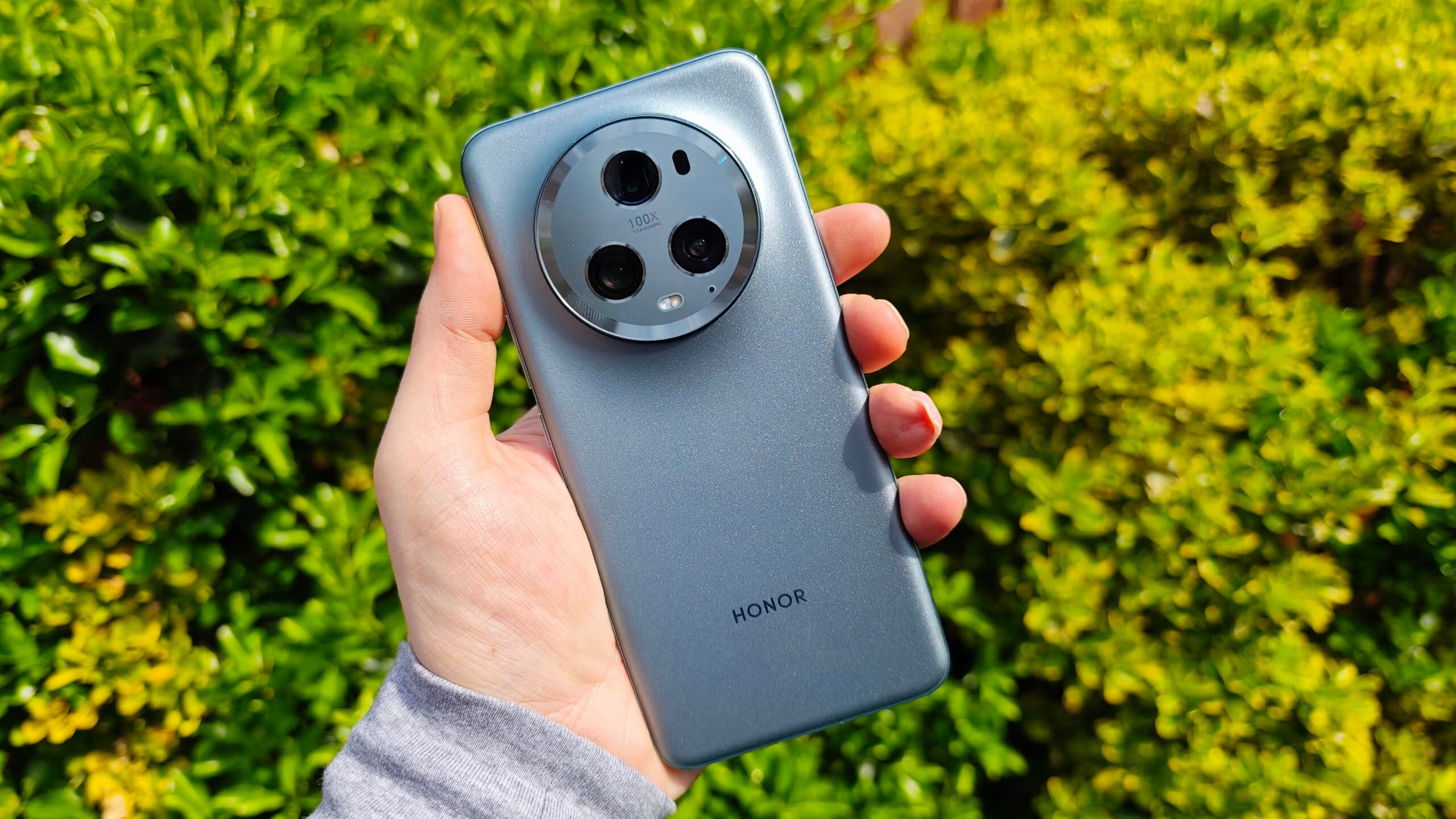

Visual content has become one of the easiest ways to grab attention online. People scroll fast, and plain images often get skipped. This is where AI-powered tools are changing the game. By turning simple images into moving visuals, creators can tell better stories, explain ideas faster, and keep viewers hooked. In recent years, AI image to video technology has made this process smooth, quick, and accessible to everyone.
Today, creators, marketers, educators, and small businesses are using image-based videos to stand out on social media, websites, and ads. You no longer need advanced editing skills or heavy software. With the right tools, a few images can turn into a complete video with motion, effects, text, and music.
In this article, we explore how AI image to video tools work, why they matter, and which options are worth considering. Each tool listed below focuses on transforming images into engaging videos while saving time and effort.
Why AI Image to Video Is Gaining Popularity
Before jumping into the list, it helps to understand why this format is becoming so popular. Images are easy to create, but videos create a deeper impact. AI bridges this gap by adding motion, transitions, and flow automatically.
Some common reasons people choose image-to-video tools include:
- Faster content creation for social media
- Better engagement compared to static images
- Easy storytelling without complex editing
- Reusing old photos for fresh content
- Cost-effective video creation
With AI handling most of the heavy work, creators can focus on ideas rather than technical steps.
Invideo – Smart Image to Video Creation Made Simple
When it comes to turning images into videos quickly, invideo stands out as a practical choice. In the very first step of the workflow, AI image to video creation becomes simple with invideo, allowing users to upload images and convert them into smooth, engaging videos without manual editing.
This tool focuses on ease and flexibility. You can upload multiple images, arrange them in order, and let the system add motion, transitions, and timing. It also supports text overlays, background music, and voiceovers, making the final video feel complete and professional.
One major advantage is control. You can choose styles, adjust pacing, and customize scenes without starting from scratch. Whether you are making social posts, product visuals, or short explainers, the output feels polished.
Another helpful feature is format flexibility. Videos can be created for different platforms like Instagram, YouTube, or websites. This makes it easier to reuse the same images across channels while keeping the video format right for each platform.
How AI Video Apps Simplify Image-Based Video Creation
In the second stage of modern content workflows, AI video apps play a big role in helping creators move faster. These apps often combine image uploads, smart scene detection, and ready-made layouts into one smooth process.
Instead of editing frame by frame, users simply select images and let the app decide the best transitions. Many tools also suggest text placement and motion effects based on the image type. This saves time and reduces guesswork.
These apps are especially useful for:
- Daily social media posts
- Quick promotional videos
- Slideshows with movement
- Visual storytelling for blogs
The goal is not complexity, but speed with quality.
Turning Images into Stories with Motion and Flow
One of the biggest strengths of AI image-to-video tools is storytelling. A single image may show a moment, but a video can show a journey. AI helps connect images in a way that feels natural and engaging.
By adding subtle motion like zoom, pan, or fade effects, images come alive. When paired with text captions or music, the message becomes clearer and more memorable. This is especially helpful for brands and educators who want to explain ideas visually.
The best tools also maintain visual consistency. Colors, transitions, and timing stay balanced across the video, making the final result look clean and professional.
Image-to-Video for Social Media Growth
Social platforms prefer video content. Posts with motion often reach more people than static posts. AI image-to-video tools help creators stay active without burning out.
You can turn a set of photos into:
- Instagram reels
- YouTube shorts
- Facebook ads
- Pinterest video pins
This makes it easier to maintain a steady posting schedule. Instead of creating new videos every time, existing images can be refreshed into new formats.
Using Image-to-Video in Marketing Campaigns
Marketing teams often struggle with time and budget. AI image-to-video tools solve both problems. Product photos, event images, or banners can be converted into short videos for ads and promotions.
These videos can highlight features, show steps, or tell brand stories without filming new footage. This approach is cost-friendly and fast, especially for small teams.
It also allows testing. Marketers can create multiple versions of the same video using different images or text and see which one performs better.
Educational and Explainer Use Cases
AI image-to-video tools are also useful for learning content. Teachers, trainers, and course creators can turn diagrams, slides, or images into short video lessons.
At this point in the content flow, internal references also help readers explore related topics. For example, visual storytelling and narrative themes are discussed in depth in creative storytelling insights, which explores how visuals can shape emotional connection.
Videos created from images help learners stay focused and understand concepts faster. Simple motion keeps attention without overwhelming viewers.
Reusing Old Images for New Content
Many creators have a library of unused photos. AI image-to-video tools help bring those images back to life. Old blog images, travel photos, or product shots can be turned into fresh video content.
This saves time and adds value to existing assets. Instead of starting from zero, creators can build on what they already have.
For more ideas on content reuse and publishing strategies, the business blogging section offers useful guidance on keeping content relevant and engaging.
Customization Without Complexity
A common fear with AI tools is losing control. The best image-to-video tools balance automation with customization. Users can adjust text, music, timing, and effects while still benefiting from AI support.
This balance makes the tools suitable for both beginners and experienced creators. You get speed without sacrificing quality.
Time and Cost Benefits for Small Teams
Hiring editors or learning complex software takes time and money. AI image-to-video tools reduce both. Small teams can create professional-looking videos in minutes.
This is especially helpful for startups, freelancers, and solo creators who need to move fast and stay consistent.
Choosing the Right Image-to-Video Tool
Not all tools are the same. When choosing one, consider:
- Ease of use
- Image quality handling
- Customization options
- Export formats
- Speed and reliability
The right tool should fit your workflow, not complicate it.
Conclusion: Why AI Image to Video Is the Future of Visual Content
AI image to video technology is changing how content is created and shared. It turns simple images into engaging stories without technical hurdles. From social media posts to marketing videos and educational content, this approach saves time while improving impact.
With tools that focus on ease, flexibility, and quality, creators can focus on ideas instead of editing stress. As attention spans get shorter, moving visuals will continue to perform better than static images.
If you already have images, you already have the foundation for great videos. AI simply helps unlock their full potential.